Breakfast
Oats, berries, pears or wholegrain toast can provide an adaptable start.
Guide · 2026
Oats, beans, vegetables, fruit and whole grains can bring texture, variety and digestive support to meals.
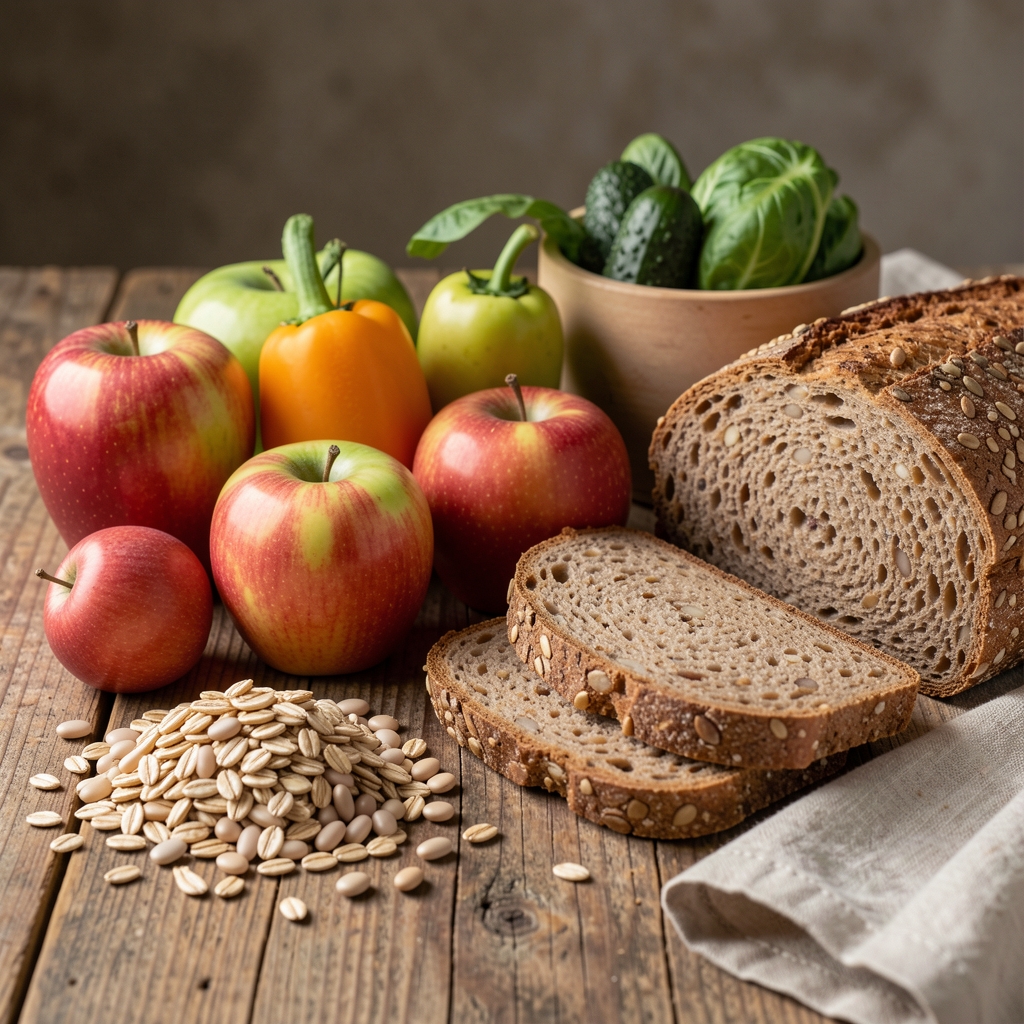
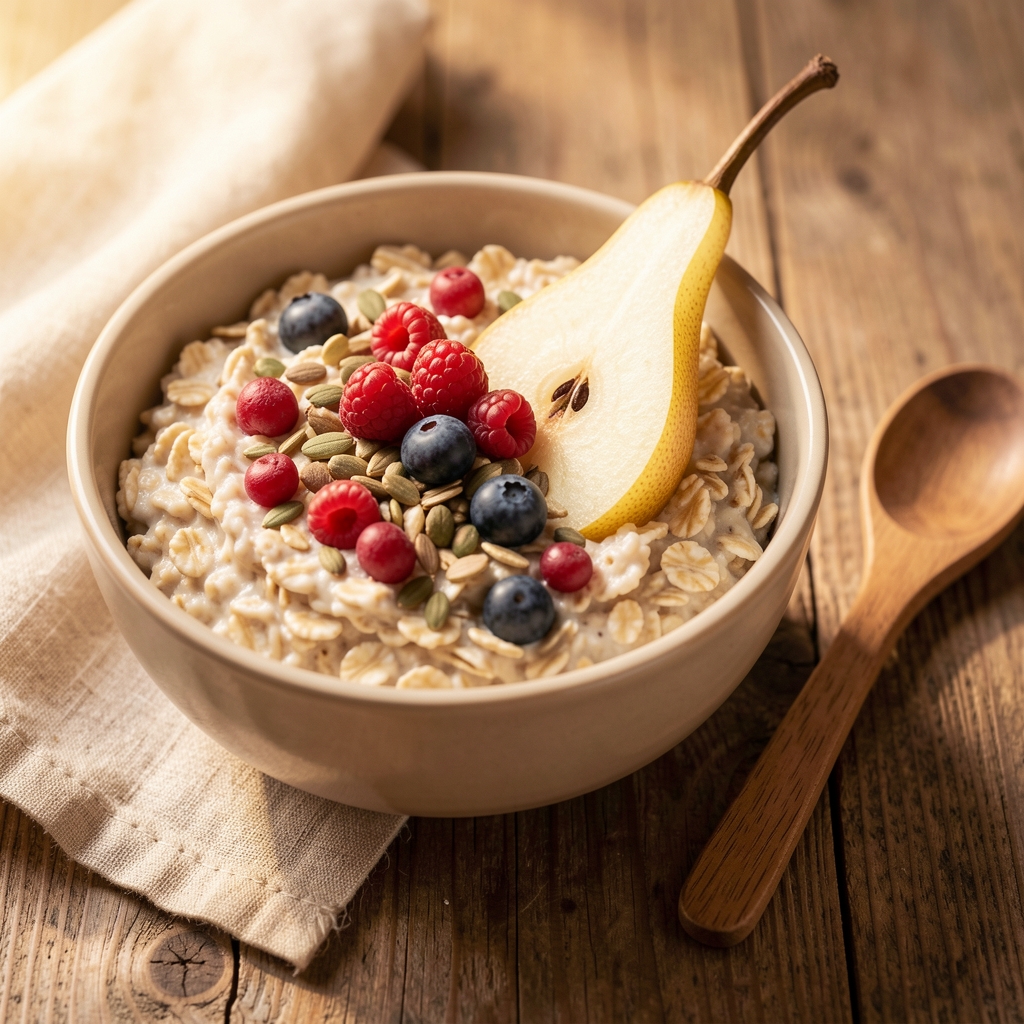
Adding fibre slowly and drinking enough fluid may feel more comfortable than changing everything at once. Tinned pulses, frozen vegetables and wholegrain staples can make the habit practical.
Persistent digestive symptoms, bleeding, pain or unexplained changes should be discussed with a GP.
| Source | Everyday idea |
|---|---|
| Oats | Breakfast or savoury porridge. |
| Pulses | Soup, curry, salad or spread. |
| Vegetables | Fresh, frozen or tinned with meals. |
See how fibre fits the balanced plate.
Read the plate guideFibre is found in many plant foods, including oats, pulses, vegetables, fruit, nuts and whole grains. Different foods bring different textures and cooking uses, so variety may be more practical than focusing on one item. Increasing intake gradually can make the change easier to observe. People with ongoing symptoms or specific dietary needs should seek appropriate professional guidance.
Oats, berries, pears or wholegrain toast can provide an adaptable start.
Lentils, beans and vegetables can add substance to soups, stews and salads.
Seeds, fruit or a handful of nuts can change texture and variety.
| Food | Preparation | Practical note |
|---|---|---|
| Oats | Porridge or baking | Store dry and use within the packet guidance. |
| Lentils | Soup or dhal | Tinned versions can reduce preparation time. |
| Vegetables | Roasted, steamed or raw | Frozen vegetables can be useful for reducing waste. |
| Fruit | Fresh, stewed or frozen | Choose forms that fit the meal and budget. |
“Variety turns a nutrition concept into food people can actually enjoy.”
There is no single required menu for a balanced pattern.
Yes. Frozen vegetables and fruit can be useful, particularly when storage, seasonality or waste is a concern.
Pause the change and discuss persistent or concerning symptoms with a GP or another qualified professional.
Food tolerance, culture, budget and previous experience all influence how fibre-rich foods fit a routine. Some people prefer cooked vegetables, while others find fruit, oats or pulses easier to use. A written food diary is optional and should not become a source of anxiety. Persistent symptoms, bleeding, pain or unexplained changes warrant professional discussion.
Contact Plenius at 78 High Street, Chelmsford, Essex CM1 1DE, United Kingdom, or call +44 131 496 0743 for questions about the article rather than personal care.