Anchor meals
Choose two dependable meals that use familiar ingredients.
Guide · 2026
Oats, beans, vegetables, fruit and whole grains can bring texture, variety and digestive support to meals.
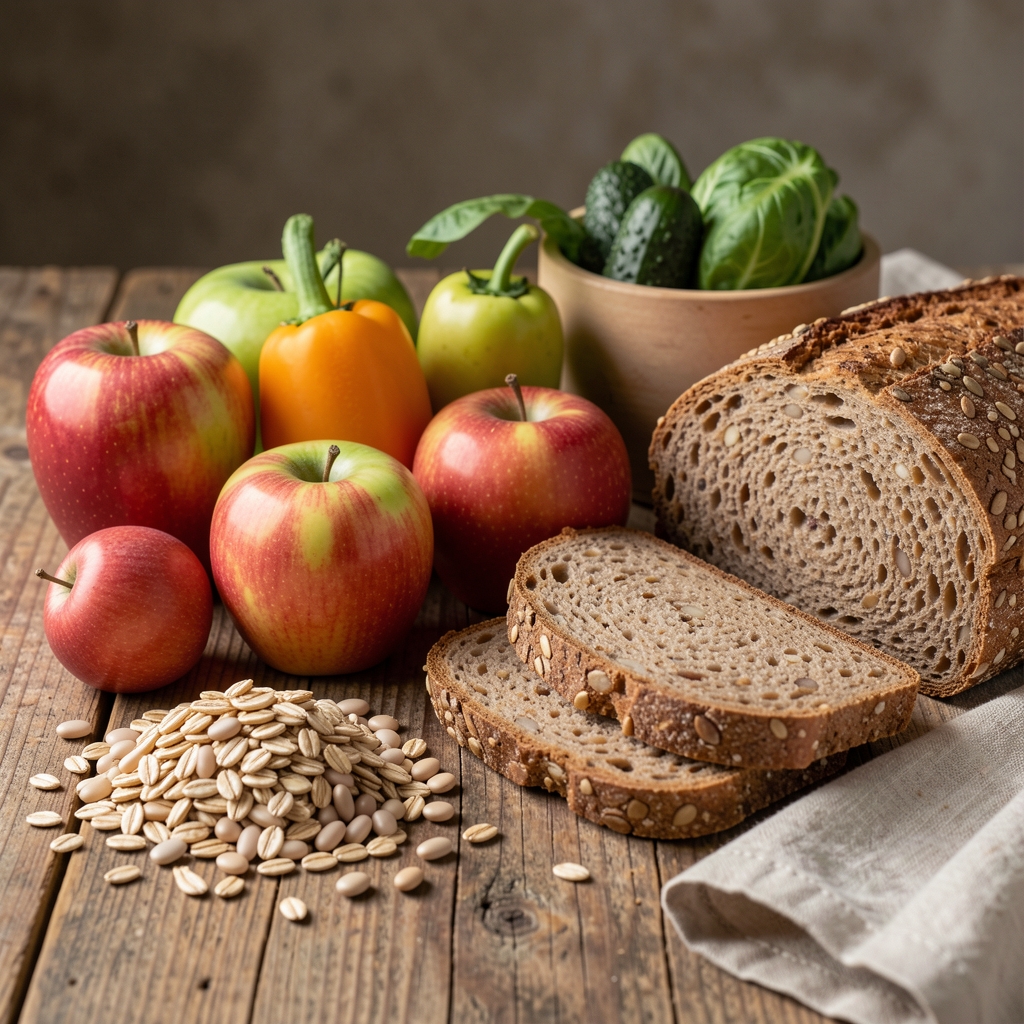
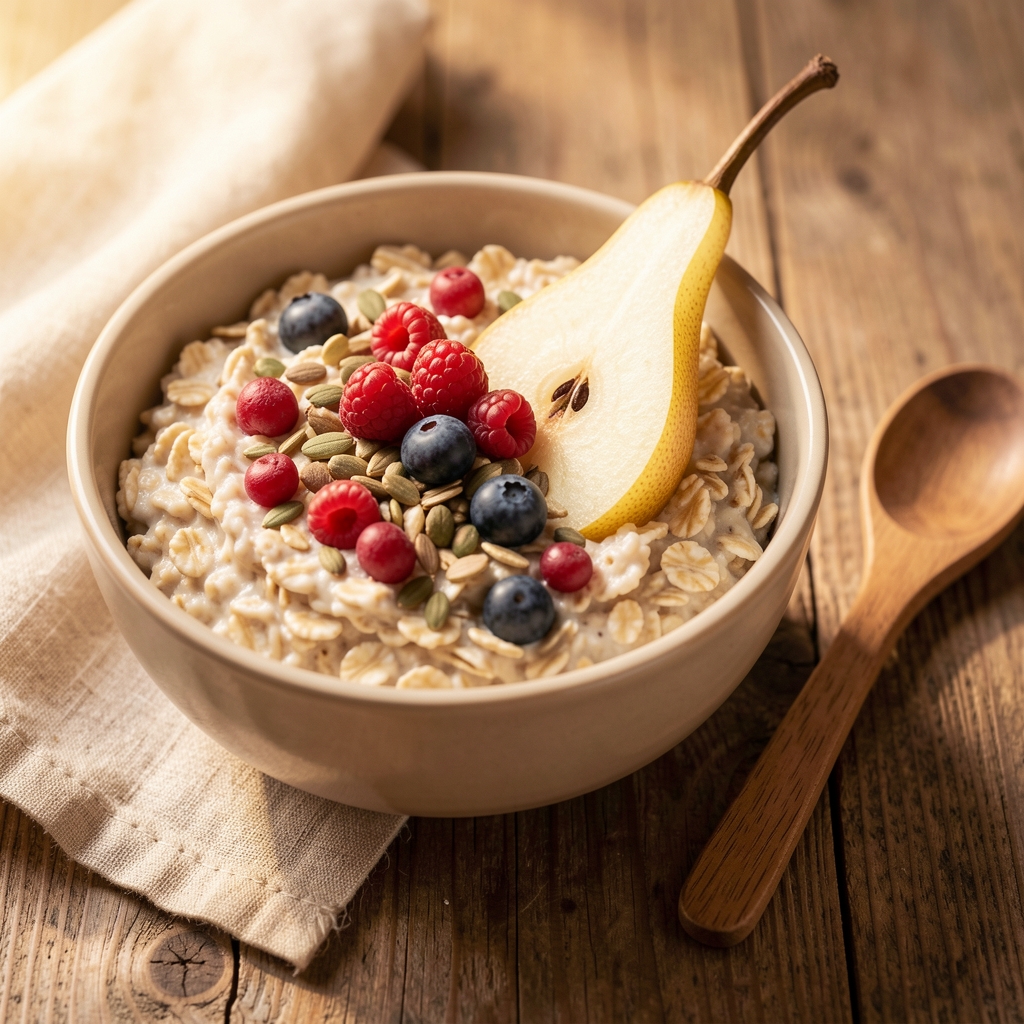
Adding fibre slowly and drinking enough fluid may feel more comfortable than changing everything at once. Tinned pulses, frozen vegetables and wholegrain staples can make the habit practical.
Persistent digestive symptoms, bleeding, pain or unexplained changes should be discussed with a GP.
| Source | Everyday idea |
|---|---|
| Oats | Breakfast or savoury porridge. |
| Pulses | Soup, curry, salad or spread. |
| Vegetables | Fresh, frozen or tinned with meals. |
See how fibre fits the balanced plate.
Read the plate guideMeal planning works best when it reflects the week that is actually ahead. Consider work patterns, school runs, cooking time, storage, budget and the meals people already enjoy. A plan can contain alternatives rather than assigning one dish to every evening. This makes it easier to respond to changes without abandoning the whole structure.
Choose two dependable meals that use familiar ingredients.
Prepare grains, vegetables or beans that can appear in more than one dish.
Keep a simple option for days when energy or time is limited.
| Planning question | Example | Why it helps |
|---|---|---|
| How much time is available? | Twenty minutes on Tuesday | Guides preparation and equipment choices. |
| What needs using? | Leafy greens or cooked grains | Can reduce waste. |
| Who is eating? | Shared household with different preferences | Allows adaptable serving components. |
| What is the fallback? | Soup, eggs or a stored portion | Reduces pressure on busy evenings. |
“A good plan creates options; it does not remove the realities of a changing week.”
Plenius presents meal planning as a practical organising tool rather than a rulebook.
Repeating a convenient meal can be useful. Variety can be considered across several days rather than demanded at every sitting.
Cool and store food according to current food-safety guidance, label containers and use or freeze them within the recommended time.
A plan may need to work around allergies, shared kitchens, changing shifts, caring duties and different appetites. Write alternatives directly into the plan so they feel expected rather than like a disruption. Keeping a small reserve of shelf-stable ingredients can also reduce pressure when a shop or cooking session is not possible.
Plenius content is general and cannot account for a prescribed diet. Questions about the guide can be sent to 78 High Street, Chelmsford, Essex CM1 1DE, United Kingdom, or raised on +44 131 496 0743.