Start with staples
Oats, rice, potatoes, pasta, beans and vegetables can combine into many meals.
Guide · 2026
Planning food can be a practical act of self-care, not a test of perfection.
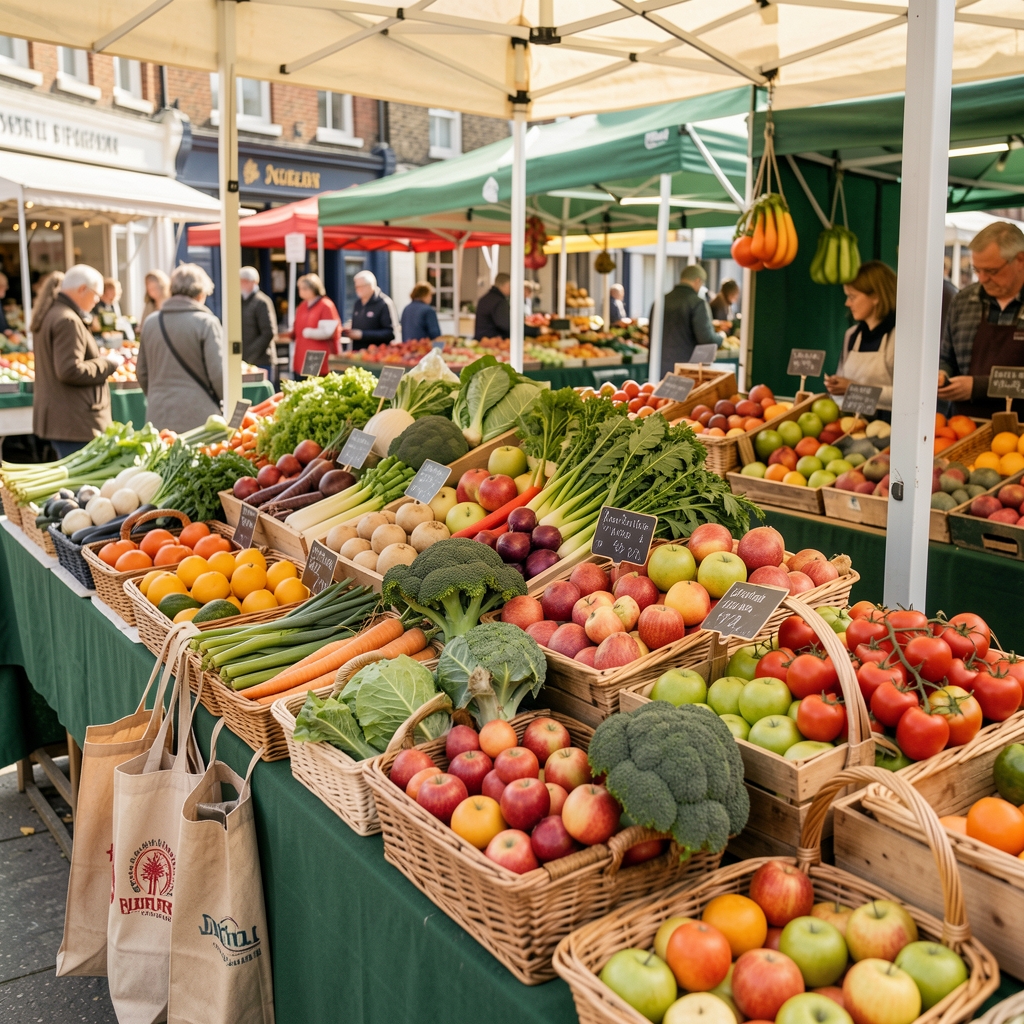
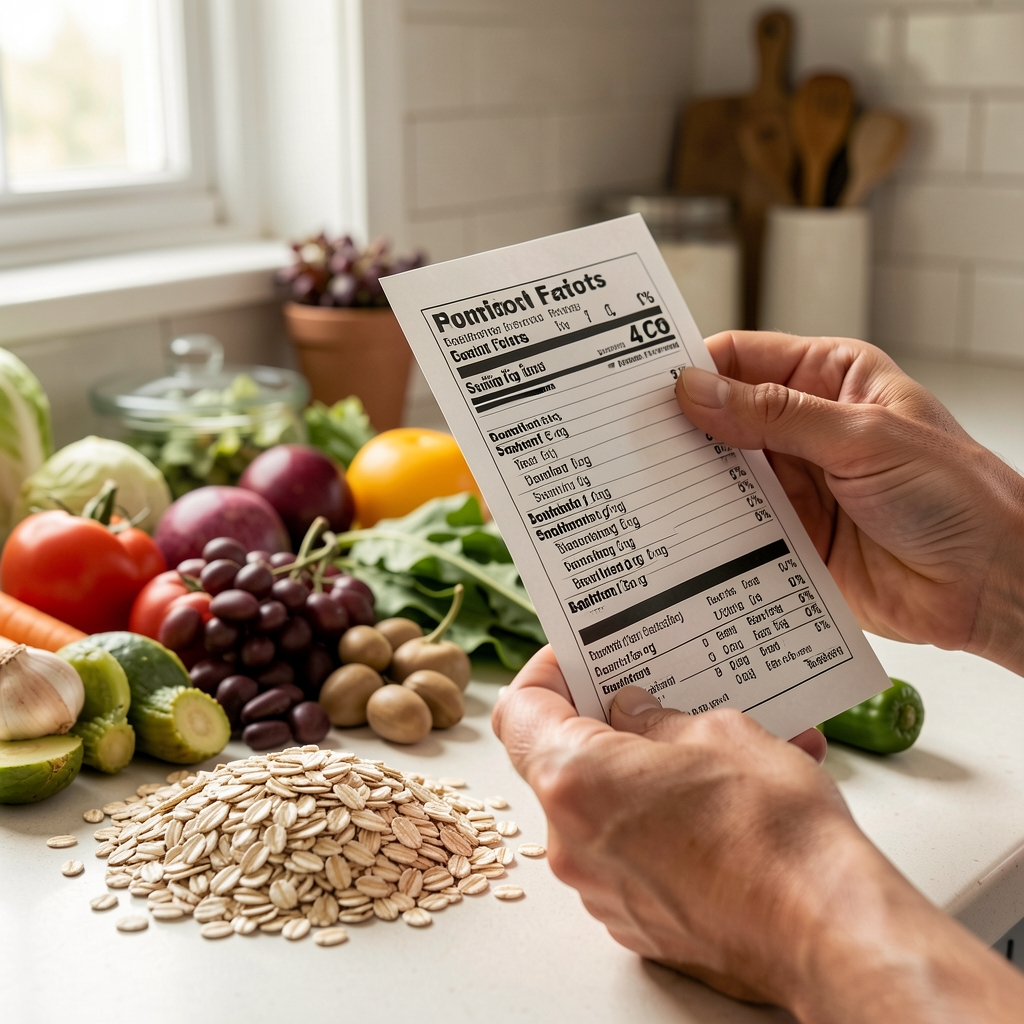
Begin with meals you already enjoy. Add one or two vegetables, a pulse or wholegrain staple, and a convenient source of protein. Tinned, frozen and fresh foods can all be useful depending on budget and access.
Labels can help compare fibre, salt and sugar, but they do not measure the whole quality of a diet.
| Question | Example |
|---|---|
| What will make this easy? | Washed salad or frozen vegetables. |
| What adds staying power? | Beans, eggs, yoghurt, fish or tofu. |
| What will be enjoyed? | Familiar herbs, fruit or a shared meal. |
Food shopping sits between budget, time, storage, cooking confidence and personal preference. A useful list begins with meals that are genuinely likely to be prepared, not an idealised week. Frozen, tinned and fresh ingredients can all have a place, and labels provide information rather than a complete judgement. The most practical choice is often the one that reduces waste and makes a balanced meal easier to assemble.
Oats, rice, potatoes, pasta, beans and vegetables can combine into many meals.
Review dates, opened packets and freezer space before buying duplicates.
Keep one quick option for evenings when cooking time is limited.
| Information | Useful question | Context |
|---|---|---|
| Ingredients | What appears near the beginning? | Ingredients are listed by weight. |
| Fibre | How might this fit with the rest of the day? | Compare similar products where helpful. |
| Salt and sugar | Is there a lower-salt or lower-sugar option? | Serving sizes can differ between brands. |
| Storage | Can it be used before quality declines? | Follow packaging and food-safety guidance. |
This route can be adjusted for shared households, small kitchens and different budgets. It is not a requirement to shop in one particular way.
“A considered basket is not a test of virtue; it is a practical snapshot of what will work this week.”
Plenius uses neutral language because food choices are shaped by access as well as intention.
Convenience can be a legitimate part of a varied routine. Look for combinations that include satisfying components and fit your time.
Plan overlapping ingredients, freeze suitable portions and use flexible recipes for vegetables approaching their date.
Compare unit prices, use seasonal produce and consider pulses, oats and frozen foods where they suit the household.
Access, transport, storage and household income all influence shopping decisions. A list should support the person using it rather than impose an ideal standard. It can be helpful to plan one meal around ingredients already available and one meal around what is seasonal or affordable. If a shop is missed, the plan can be adapted without blame.
For questions about Plenius content, contact 78 High Street, Chelmsford, Essex CM1 1DE, United Kingdom, or call +44 131 496 0743. The site offers general information and does not provide individual dietary instructions.